What Is Fostering?
Fostering is the process of providing a safe, stable, and nurturing home for babies, children, and young people who are unable to live with their birth families. It is a temporary care arrangement that is made by a local authority whilst more permanent options are explored.
There are many different reasons why young people come into care; it could be because of a parental illness requiring a hospital stay, with no other suitable care givers available. Unfortunately, the main reason is because of abuse or neglect. Whilst fostering is different to adoption in that it is not a permanent care arrangement, it provides a nurturing and therapeutic environment which enables young people to begin the process of healing from past trauma.
Children come into care via their local authority, and therefore fostering can be undertaken directly with local authority foster carers, or via an Independent Fostering Agency such as TACT. It is a vital role within the care system, offering children the chance to grow, develop, and rebuild a sense of security in a supportive family environment.

“The children we’ve looked after have had lots of experience of adults being unpredictable, but just by being consistent and caring, we’ve taken the pressure off them and have just let them be kids. They don’t need to wonder if there will be a lift home from school, dinner on the table, or someone to talk to when they’re upset – they can take that for granted. You don’t need any unusual skills – you just need time and sticking-power to invest in a child who needs it.”
Alice & James, TACT Foster Carers Since 2022
A brief history of Foster Care In The Uk
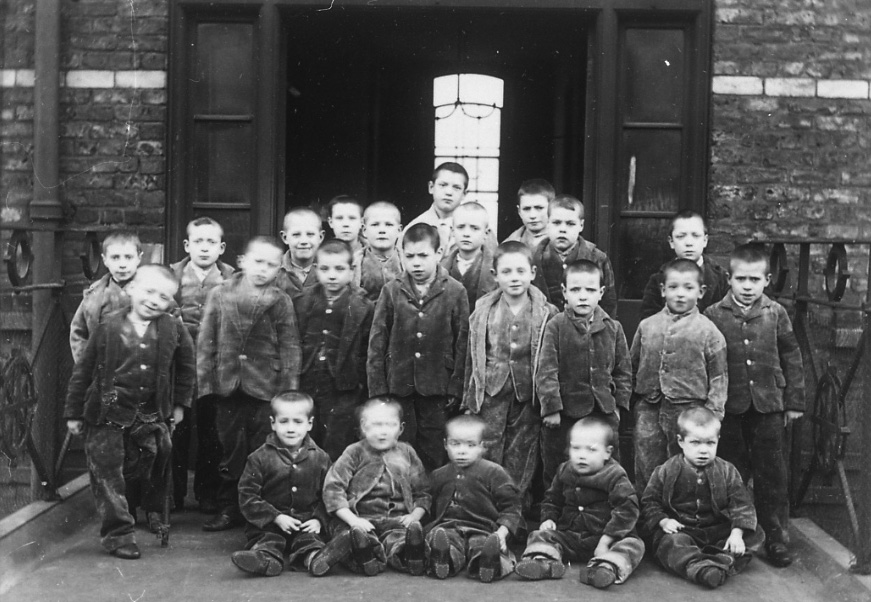
The first recorded case of foster care in the UK was in 1853; Reverend John Armistead removed children from a workhouse in Cheshire, and placed them with foster families. Local councils were called ‘unions’ at that point, but they were legally responsible for the children – something that remains to this day. Foster carers were paid a sum equal to the cost of maintaining the child in the workhouse.
Guiding the evolution of foster care has been a number of Children Acts that have set out changes in legislation to establish and protect the rights of children and young people:
The first Children Act (also known as the ‘Children’s Charter’) came into effect in 1908, and was a landmark piece of legislation that consolidated laws and introduced the registration for foster care. It initiated regulation in a number of areas such as providing local authorities with the power to keep children out of workhouse environments, and eventually led to the formation of social services.
The Children Act 1948 was significant in that it stated that local authorities had a duty to provide care for any child whose parents were unable to provide that care, whilst The Children Act 1975 established the role of an independent social worker who would act in the best interests of a child.
Finally, with regards to major legislation set out to protect the rights and welfare of children and young people, The Children Act 1989 was published. Establishing the legislative framework for the current child protection system, it stated that the welfare of children should be a court’s main consideration, above all other aspects.
Foster care has come a long way since 1853. Along with improved legislation, that is constantly being reviewed, better recognition of conditions such as ADHD and Foetal Alcohol Spectrum Disorder has enabled care and support to be more accurately tailored to meet the individual needs of children and young people. This has led to better outcomes, stability, and overall wellbeing of children. Therapeutic approaches have further enhanced the provision of care by promoting emotional security and the reinforcement of positive relationships.

What Does Fostering Involve?
Fostering is the provision of temporary care for children and young people whilst more permanent options are sought by a local authority. This could involve children returning to their ‘birth’ families if it is deemed safe – and in their best interests.
Above all, foster care is diverse; there is no ‘one size fits all’. All children are different, with unique needs and backgrounds. This is why there are many different types of fostering, and each provide specific skill sets to fulfil the care responsibilities required. For example, short term fostering offers temporary supportive care for young people whose care plan is uncertain. This can segue into other types of foster care, or it can sometimes result in a young person returning to their birth family. Long term fostering can provide more stability up to the age of 18. This is for young people who can’t return to their birth family home and requires a longer commitment from a foster carer.
No matter what type of fostering is required, the key objective is to provide a young person with day-to-day care, emotional support, and guidance – helping children to feel safe and to build confidence, develop relationships, and to reach their full potential. Children can enter the care system with past trauma, along with neurological and developmental disorders such as ADHD and Autism. Foster care can provide specific care and support, often using therapeutic techniques, to help children and young people to begin the process of healing within a nurturing home environment.
Foster care is not provided in silo. A full ‘team around the child’ includes foster carers, social workers, specialist mental health professionals and education advisors. All will work within the guidelines of a young person’s care plan, which covers areas such as health, educational pathways, how day-to-day care should be provided and any longer term goals or plans for permanency.
Many young people remain in contact with their foster carers long after they have left the care system. This is because it is important to maintain relationships and connections that continue to be meaningful for a young person.
Foster carers are highly skilled professionals and as such receive a competitive allowance designed to cover the cost of care and to recognise their skill and dedication. No previous experience is required, as full and ongoing training is provided by the fostering provider.
Professional fostering support is a key part of fostering, ensuring that foster carers are fully supported at every stage of their journey. This network of support helps carers manage challenges, action any therapeutic strategies, and ensure that any positive outcomes are acknowledged and reinforced.
fostering FAQs
Why do children come into foster care?
There are many reasons why children and young people enter the fostering care system, which is why there are many different types of fostering. Whilst it can be for diverse reasons such as a parental illness, unfortunately it is mainly because of abuse or neglect.
Despite many misconceptions, a fostering decision is made purely to protect, or provide temporary care for, a young person. That decision is made by a local authority, with the ultimate goal of reunification with a child’s birth family. However, this is not always possible.
In some cases, a young person’s parents may make a request for temporary care, due to a sudden illness or housing issues. In more serious cases involving abuse or neglect, a Care Order may be served if a young person is at risk from significant harm. This is issued by a court, meaning parental responsibility for a young person is shared between a local authority and the child’s birth parents.
Who are the children that require foster care?
The children and young people who require foster care are those that cannot safely live with their birth family or primary care giver. This could be due to direct abuse or neglect, or because their home life is unstable due to instances of domestic violence, drug dependency, imprisonment or acute parental mental or physical illness.
Children can be of any age, and can be fostered with or without their siblings – although the priority would always be to try and keep siblings together where possible. Young people can have physical disabilities, learning and developmental disabilities, or complex medical needs. They can also be Unaccompanied Asylum-seeking Children.
Are fostered children ‘badly behaved’?
This is a very common question. Whilst every young person’s journey into the care system will be different and unique, in most cases it involves a degree of abuse or neglect. They may struggle to trust other adults, due to something called ‘past trauma’ – which is when distressing, frightening, or violent events from a person’s past continue to negatively impact emotional, psychological, and physical wellbeing long after the event has ended.
A young person’s perceived behaviour when they come into care will be a reflection of the past trauma they have experienced. Therefore using labels such as ‘badly behaved’ unfairly, and inaccurately, places full responsibility for entry into the care system on the young person.
The role of social workers, external professionals and foster carers is to help young people to heal from past trauma using a variety of trauma-informed and therapeutic approaches. When young people re-establish trust with adults, and their needs are being met, remarkable differences can be achieved.
What is the difference between fostering and adoption?
Fostering provides temporary care for young people, whilst more permanent arrangements are decided by a local authority. Depending on the type of foster care and a young person’s needs, children can stay with their foster carers from one night right up to several years. Foster carers do not hold legal parental responsibility for a child.
Adoption is a permanent arrangement granted by a court, via an adoption order. An adopter gains full parental rights and responsibility, and is expected to provide a young person with their ‘forever home’.
Read more on our What is the difference between fostering and adoption? page.
Where can I foster?
Fostering can be undertaken either via a local authority, or an Independent Fostering Agency (IFA).
Independent Fostering Agencies are split into two main groups: charitable and not-for-profit (such as TACT), and ‘for-profit’. We would always recommend fostering with a charitable or not-for-profit agency. Aside from the moral aspect, many not-for-profit agencies reinvest heavily back into additional services that benefit foster carers and the young people they provide care for.
TACT Fostering is a member of The Fairer Fostering Partnership, an umbrella organisation that represents not-for-profit fostering agencies. TACT’s CEO, Andy Elvin, is chair of the organisation.
Will fostering affect my family life as a foster carer?
Becoming a foster carer is a something that your whole household must be on board with. This includes any of your own children that live with you.
Having another person come to live with you, whether that be on a short or long term basis, is bound to change the family dynamic. However, in most fostering situations there are allocated introduction periods – giving your family and the young person a chance to meet, and get to know one another. A matching process will have already taken place, meaning a social worker would have fully evaluated your fostering preferences, skills, home composition and distance from the young person’s school (if applicable).
Many of our foster carers, particularly those with their own children living with them, report that providing care for another young person has only enhanced their family dynamic.
As a foster carer, would I be obliged to say ‘yes’ to any requests to care for a young person?
No. When you become a foster carer, you will be allocated your own Supervising Social Worker. They are there to fully support you in multiple ways, and will contact you when they feel that a young person is a suitable ‘match’ for your household. They will talk with you about the young person, and will send you documentation for you to read.
If you feel that the young person is not a match for you and your household, you are not obliged to agree with the potential fostering placement.
Amazing fostering outcomes are achieved when both a foster carer and a young person are happy with a fostering arrangement.



Start Your Journey