“Education Experience Helped Us Recognise That Every Child Develops Differently”
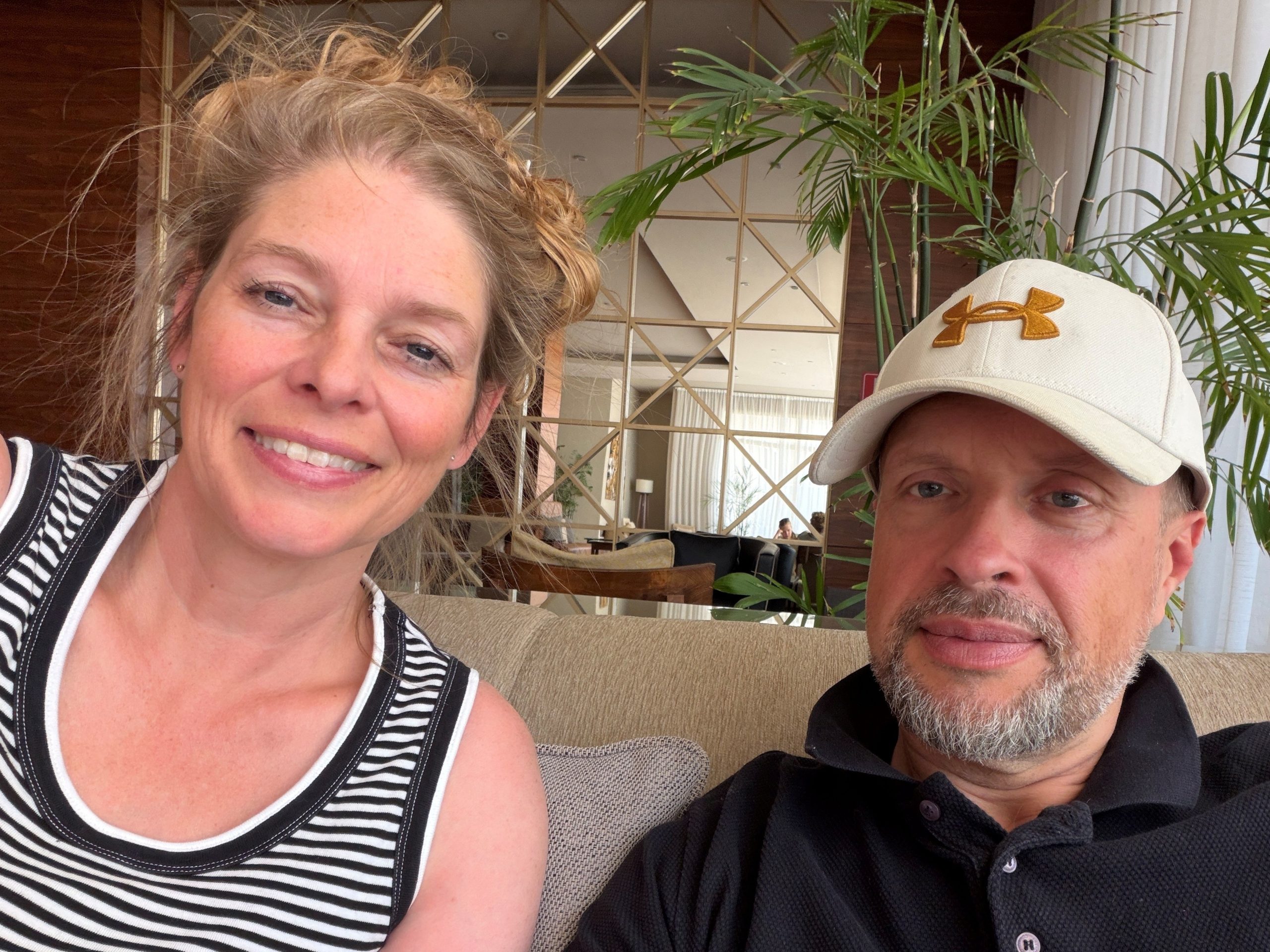
Sonja & Steve – TACT Foster Carer Since 2026
East Midlands
Sonja and Steve worked in the education sector for over 30 years, but felt their senior leadership roles were pulling them away from direct work with children. They became foster carers with TACT in 2026.
Returning from Malaysia during COVID gave us an opportunity to reflect on what we wanted from our careers and family life. Fostering appealed not simply as a career change, but as a family decision. We wanted to build a stable, loving home and spend more time together as a family, rather than working 60–80 hours a week away from home.
We were particularly drawn to long-term fostering, offering children stability and a sense of belonging. We discussed the idea of fostering with our own children from the outset, and they were positive about welcoming younger children into our family. Ultimately, it offered us the opportunity to make a deeper difference to children’s lives while strengthening our own family life.
Teaching and fostering share many of the same foundations: safeguarding children, building trusting relationships, understanding their individual needs and helping them develop and achieve their potential. Both involve getting to know children as individuals, understanding how they think, what matters to them and how best to support them. We recognised these similarities before becoming foster carers, and our experience has confirmed them.
Although fostering is different in its context, particularly its 24-hour nature, many of the skills and principles that underpin good teaching are equally important in providing a supportive family environment. Perhaps the most valuable has been our understanding of child development: how children process their experiences, how their circumstances influence their behaviour and how they learn and grow. That learning goes far beyond academic achievement. It includes developing confidence, understanding emotions, building relationships with adults and other children, and learning how to navigate everyday life.
Our educational experience has helped us recognise that every child develops differently, and that understanding their individual experiences and needs is essential to providing the right support. However, fostering has also significantly deepened that understanding. Working so closely with individual children who have experienced trauma and have complex emotional needs has given us insights that would be difficult to gain in a traditional educational setting. Our previous knowledge was broad, covering many children and different situations. Fostering has allowed us to develop a much deeper understanding of particular needs through the personal relationships and day-to-day experiences that come with caring for children 24 hours a day.
We transferred to TACT from another fostering agency. This was because we had become increasingly frustrated by what we felt was a lack of willingness to challenge decisions that weren’t necessarily in the best interests of the children. We had experienced significant inconsistencies in decision-making, frequent changes of personnel and direction, and situations where we felt children needed stronger advocacy. We wanted an agency that would stand alongside us and speak up for the children, even when that meant having difficult conversations. We researched a number of agencies, including some offering considerably higher financial allowances. However, what stood out about TACT was its genuinely child-centred values and ethos. Being a charity appeared to be much more than simply an organisational status; it was reflected in the values and commitments communicated throughout our discussions.
Above all, we were reassured by TACT’s willingness to get involved, challenge decisions where necessary and put children’s interests first. That was ultimately what mattered most to us.
It’s still early days, but we’ve been genuinely encouraged by the support we’ve received from TACT so far. In particular, we’ve been heartened by the willingness of TACT’s leadership team to become directly involved in pursuing answers to important questions that have remained unresolved for a considerable time. That willingness to engage and advocate for the children was one of our main reasons for choosing TACT, so it’s reassuring to see it being demonstrated in practice.
We’ve had positive experiences with everyone we’ve worked with at TACT so far. Peter (TACT’s Fostering Recruitment Manager for the East Midlands), was particularly supportive throughout the transfer process. He was consistently positive, responsive and helpful, which made a real difference during what could otherwise have been a challenging transition.
Since joining TACT, we’ve worked most closely with our Supervising Social Worker, Mark – who has also been excellent. Michael, TACT’s Engagement and Activity Practitioner for the East Midlands, has also been fantastic in helping to organise activities for the children. Overall, we’ve felt welcomed and supported by the team, and it’s been reassuring to work with people who seem genuinely committed to the children and their wellbeing.
Seeing the progress and development of the children in our care is incredibly rewarding. It’s about sharing the ups and downs of everyday life, celebrating their achievements and being there to support them through the difficult moments.
Often, it’s the small things that mean the most. Those special moments when something that might seem quite trivial to someone else represents a huge achievement or means the world to a child. Being able to recognise, share and celebrate those moments with them is one of the things we love most about fostering.
Perhaps the biggest highlight is simply that day-to-day life feels genuinely worthwhile and valuable again. Knowing that what we’re doing matters, and that we’re making a difference to children’s lives through the ordinary things we do together, is enormously rewarding.
Fostering has fundamentally changed the way we live as a family, both practically and philosophically. It’s now at the centre of our family life. The work we take on, the decisions we make and the way we organise our time are all built around what works best for us collectively as a family.
This has been enormously positive for our own children too. We’re now much more present in their everyday lives, whether that’s taking them to school, collecting them afterwards or simply being available when they want to talk. Previously, I would often leave for work before our children were awake and return after they’d gone to bed. Being able to share those ordinary but important moments with them has been one of the biggest changes. For the children in our care, we hope that being part of a family where everyone is valued, supported and included gives them the stability, security and sense of belonging they need to develop and thrive.
The rewards of fostering are immense. The challenges of welcoming children into your family, supporting them through the effects of trauma and understanding the impact on your own children are all relatively well documented, and there is considerable preparation available for these aspects of fostering.
What we were much less prepared for was navigating the wider care system. Local authorities are often under enormous pressure, with high staff turnover, inconsistent decision-making and changes of direction that can have a profound impact on the children in your care and the wider family. In nearly five years of fostering, this has actually been our greatest challenge; not the children themselves, but learning how to manage situations and decisions that can sometimes feel beyond your control, yet have very real consequences for family life.
My advice to anyone considering fostering would be to go into it with your eyes open, recognise that you may need to advocate strongly for the children in your care, and choose an agency that will genuinely stand alongside you when difficult situations arise.
Despite those challenges, the rewards of making a difference to children’s lives make fostering enormously worthwhile.