World Mental Health Day: Being a Mental Health First Aider
It’s World Mental Health Day on 10th October, so we’re shining a light on the work of Mental Health First Aiders (MHFA). Mental Health First Aid is the help offered to a person developing a mental health issue, experiencing a worsening of an existing mental health issue or in a mental health crisis. The first aid is given until appropriate professional help is received or until the crisis appear to have been resolved.
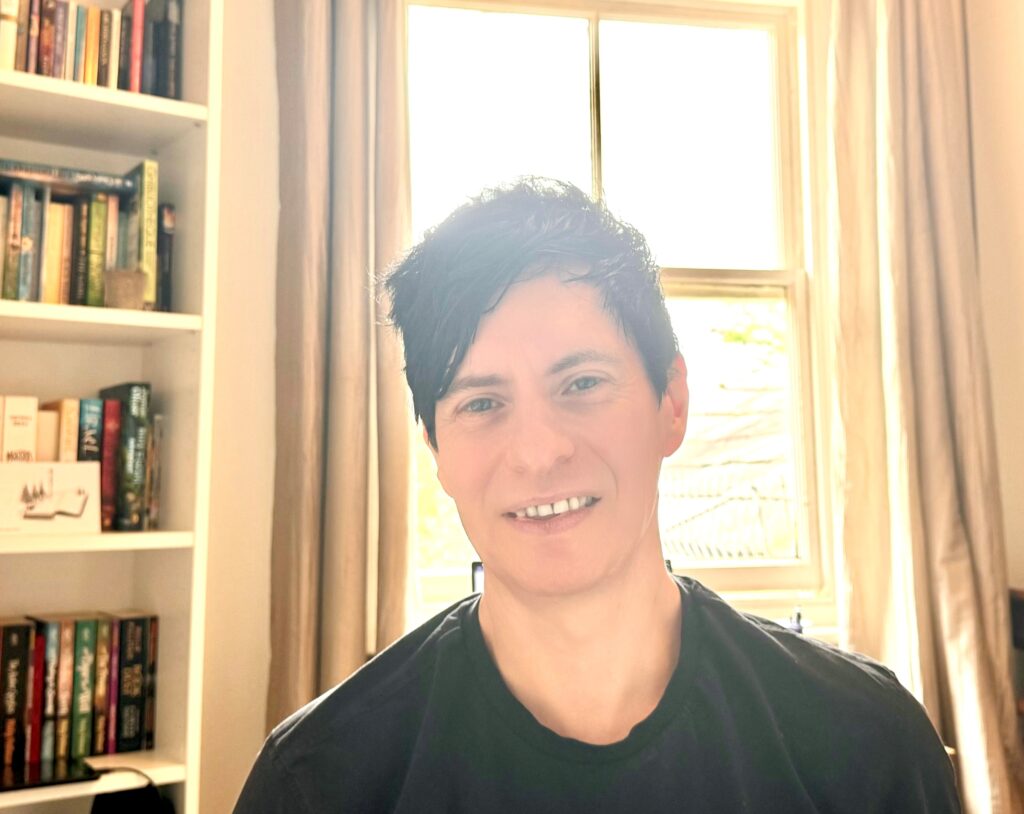
We spoke to Dan, one of several Mental Health First Aiders at TACT.
My experience as a mental health first aider
I’ve always wanted to help other people in some capacity, but always felt like I had the empathy bit in place, but not necessarily the skills to back it up. When I found out that TACT provided the opportunity for staff to train as Mental Health First Aiders, and then to join a dedicated support team, it was a no-brainer for me. Being a Mental Health First Aider means I get the opportunity to put something back into TACT, whilst also fulfilling a want to help other people that has been with me for a long time. The most rewarding part of being a MHFA so far is actually using some of the skills I’ve learned to help support those outside of TACT.
I think having Mental Health First Aiders at TACT is important because, even if we’re not called upon in a direct sense, I like to think that the knowledge that there is a support team available across many of our departments is reassuring.
During my Mental Health First Aider Training, I learnt that active listening and validation of another person’s feelings can go a long way to being helpful in a moment of distress. I have also learned not to be a ‘fixer’; MHFAers are there not to solve problems, but to listen, validate and signpost. MHFAers are provided with a dedicated app that can be used to find professional support platforms specific to area, need and whether support would be best accessed online or in person.
You don’t need to be a MHFA to help
If you aren’t a Mental Health First Aider, there are still many things that you can do to help support someone.
The most important thing is to be a good active listener – which involves providing your full attention and showing empathy. Not automatically filling any silences in the conversation is important; silence can be supportive too so allow conversations the space to breathe. Not trying to solve things is another important part; many people feel that they have to provide some form of solution in order to help, when in fact all that may be needed is for someone to listen.
You can also signpost to many national organisations that can provide support, such as:
- Hub of Hope: a great initial resource, and one of the main tools MHFAers use to help signpost to relevant support.
- Samaritans: for more immediate support over the phone (they are apparently working to set up an online chat facility): 116 123 for free, confidential, 24/7 emotional support for anyone in distress.
- Childline: support for those aged under 19.
- Shout: a free text messaging service which provides 24/7 support for anyone experiencing a mental health crisis.
- Mind: provides helplines, resources and a network of local ‘Minds’.
Signposting a person to their GP or asking them to call NHS 111 is another option.
Mental health is generally getting a lot easier to talk about in lots of different environments such as schools and workplaces – with many offering their own internal support services. However, for someone experiencing a mental health crisis, sometimes the last thing they want to do is talk about it. Therefore, it is important that a safe, non-judgmental and confidential environment is provided to enable people to talk about their mental health if they need to.
If you’re feeling anxious or distressed, please talk to someone. They may not be a MHFA, but someone who you trust and you feel comfortable with. You may not initially feel like doing it, but you will be glad you did.
TACT provides a dedicated internal Health Service for young people, as well as wellbeing activities, perks and resources for their foster carers.
#WorldMentalHealthDay